
CLS Alumni Highlight: Chelsea Cervantes De Blois
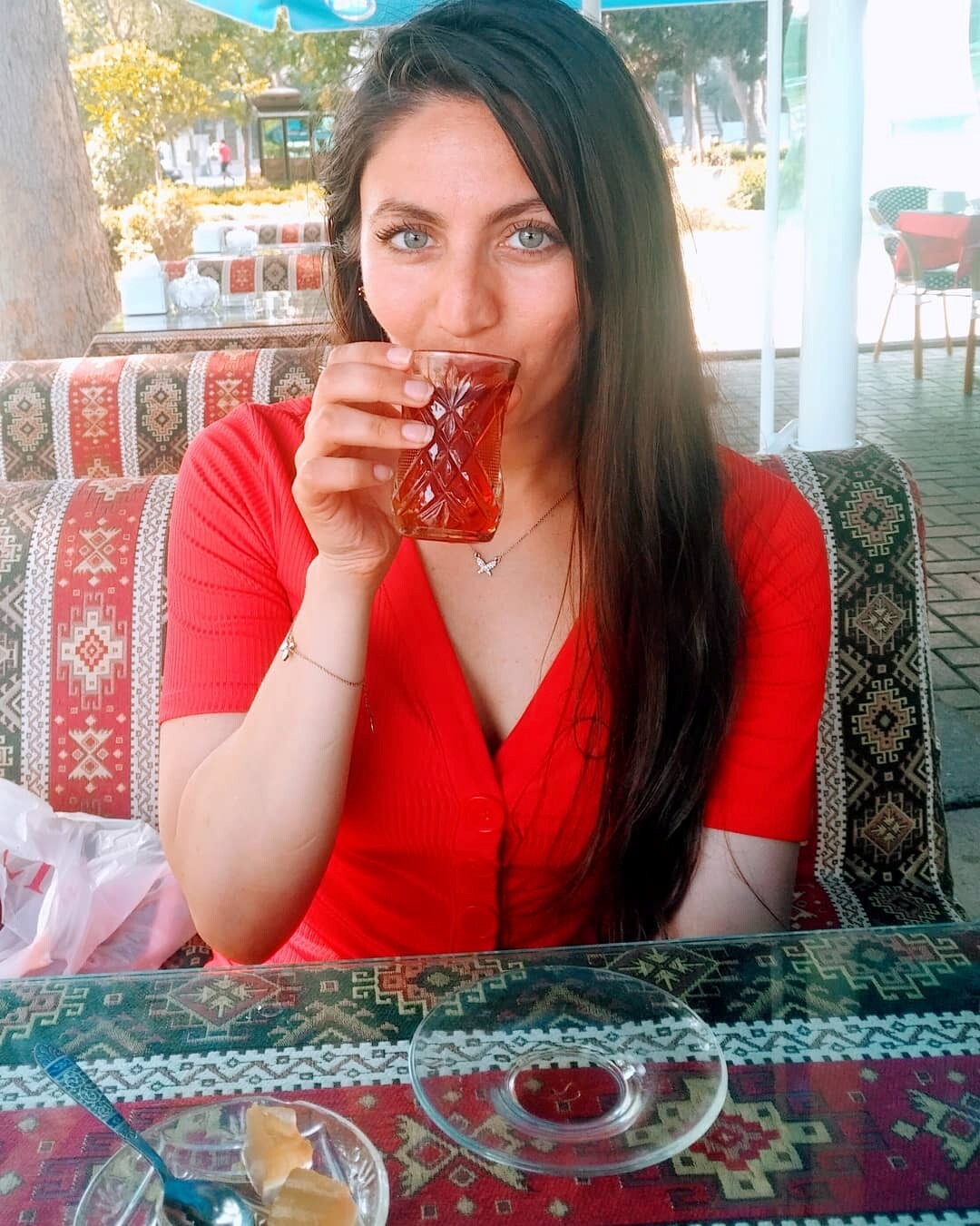
When Chelsea Cervantes De Blois first imagined her career, she saw herself as a scientist. Today, she works at the intersection of research, geospatial analysis, and public service, using expertise in geographic information systems (GIS), population studies, and regional languages to support U.S. diplomacy. She credits the Critical Language Scholarship (CLS) Program with opening doors she hadn’t known existed and helping her find a path that connects rigorous research with real-world decision-making.
Finding a Path Through Language
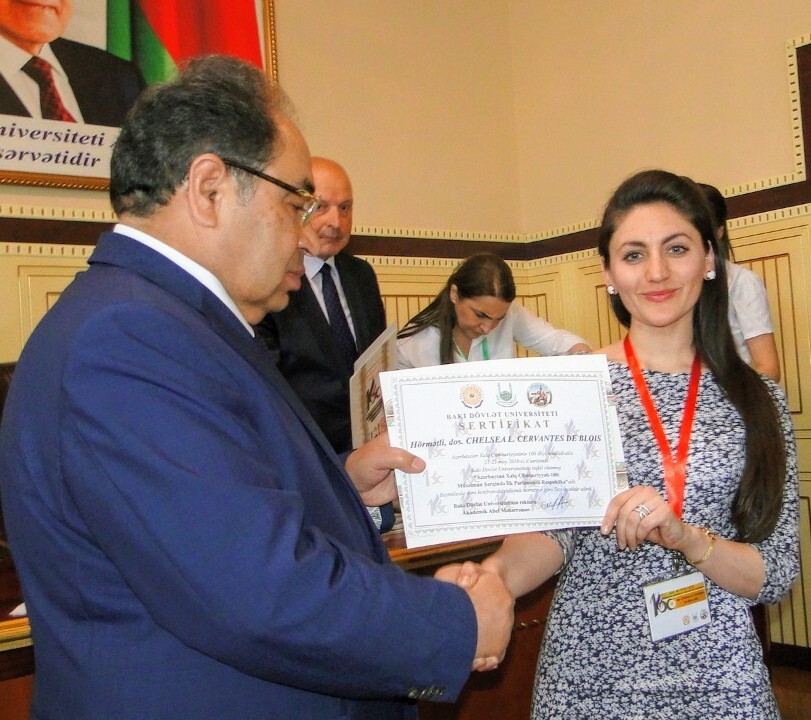
Chelsea’s path to CLS was not straightforward. After applying multiple times, she was selected for the Azerbaijani program in 2019—an experience that underscores an important message for prospective applicants: persistence matters.
“I applied for CLS four times before I was accepted,” she shares. “If it doesn’t work out the first time, keep applying—fit depends on the cohort and timing, not just your qualifications.”
Although she originally hoped to deepen her Turkish, global events shifted her path to Azerbaijani. What began as a practical choice for her research became a defining part of her career, allowing her to engage more directly with local communities and deepen her understanding of how language shapes U.S. engagement abroad. Through CLS, she gained not only advanced language skills, but also the confidence to connect across cultures, ask deeper questions, and build meaningful relationships. “At an advanced level, it’s about more than speaking correctly,” she explains. “Knowing expressions and humor helps you build trust and be seen as a peer.”
Applying CLS in a Career with National Impact
Today, Chelsea brings the language skills, regional expertise, and intercultural confidence she developed through her CLS experience to her work at the U.S. Department of State. She manages a global portfolio, aligning technical solutions with U.S. national security and business goals. Along the way, she built her expertise through highly competitive fellowships and awards, including Fulbright, FLAS, Title VIII, and Boren.
Whether collaborating with colleagues, engaging international partners, or translating complex regional and technical information for different audiences, the skills she developed through CLS continue to shape her work every day.
Advice for Future Applicants
For applicants, Chelsea’s story is a reminder that language learning is more than a classroom experience—it is a way to build relationships, deepen understanding, and engage globally. “CLS gave me the ability to build relationships,” she shares. “That’s something you carry with you into any field.”
Her journey also shows that you don’t need every step planned in advance. CLS can be a turning point that clarifies your interests and strengthens your skills, opening doors you may not yet see.
“Be clear about why you want to study your chosen language,” she advises. “It doesn’t have to connect to a specific career path, but it should reflect your interests, goals, or curiosity. And don’t hesitate to use the tools and guidance CLS provides. They’re there to help you put your best application forward.”
Above all, Chelsea encourages applicants to stay open to unexpected opportunities. For her, CLS was not only a language program, it expanded her sense of what was possible and set the direction of her career.